What You Need to Know Before Importing an Evolution VIII GSR from Japan
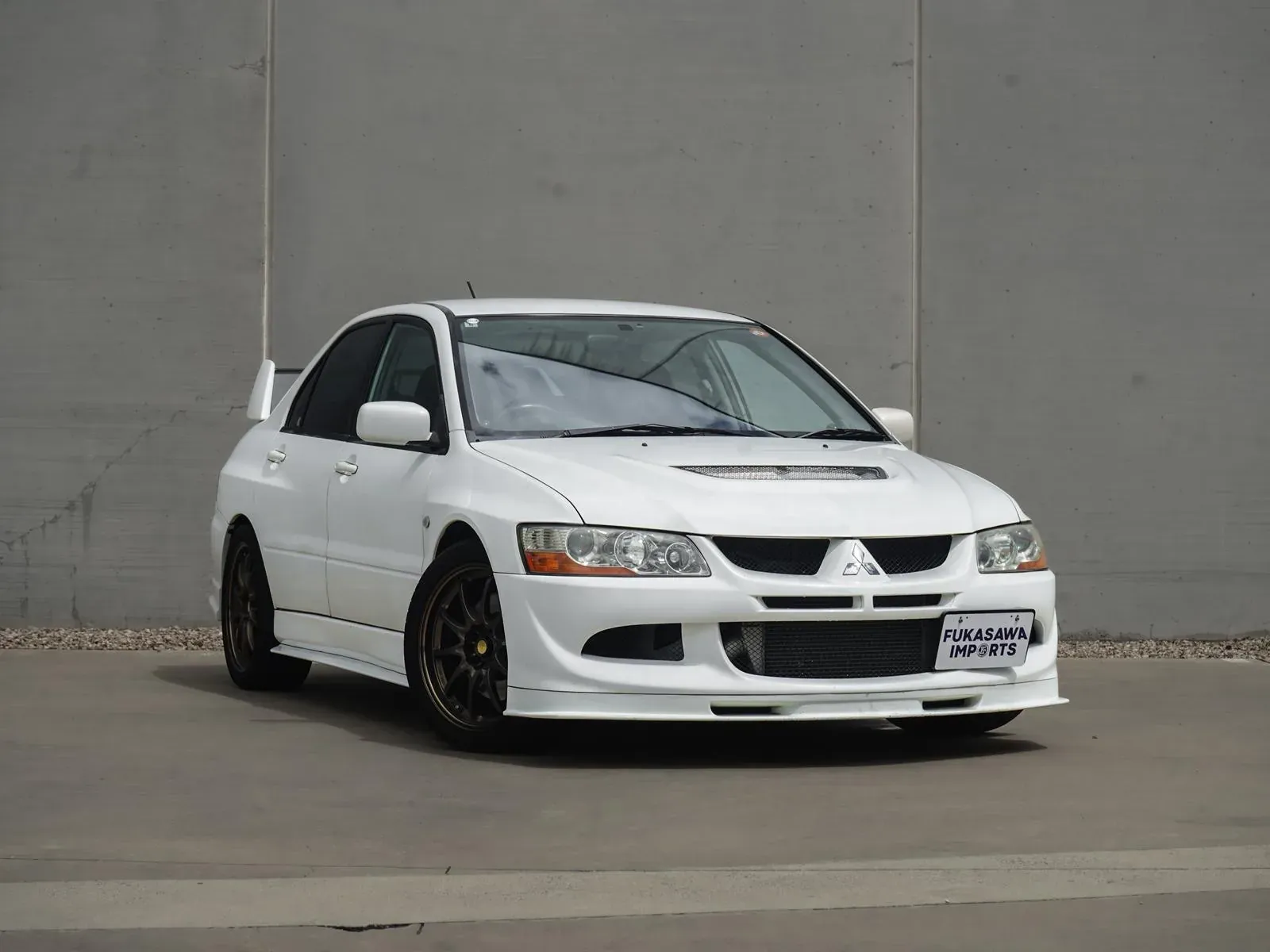
Over the years we at Fukasawa Car Imports have imported a large number of Evolution VIII GSRs (CT9A) from Japan into Australia for our clients.
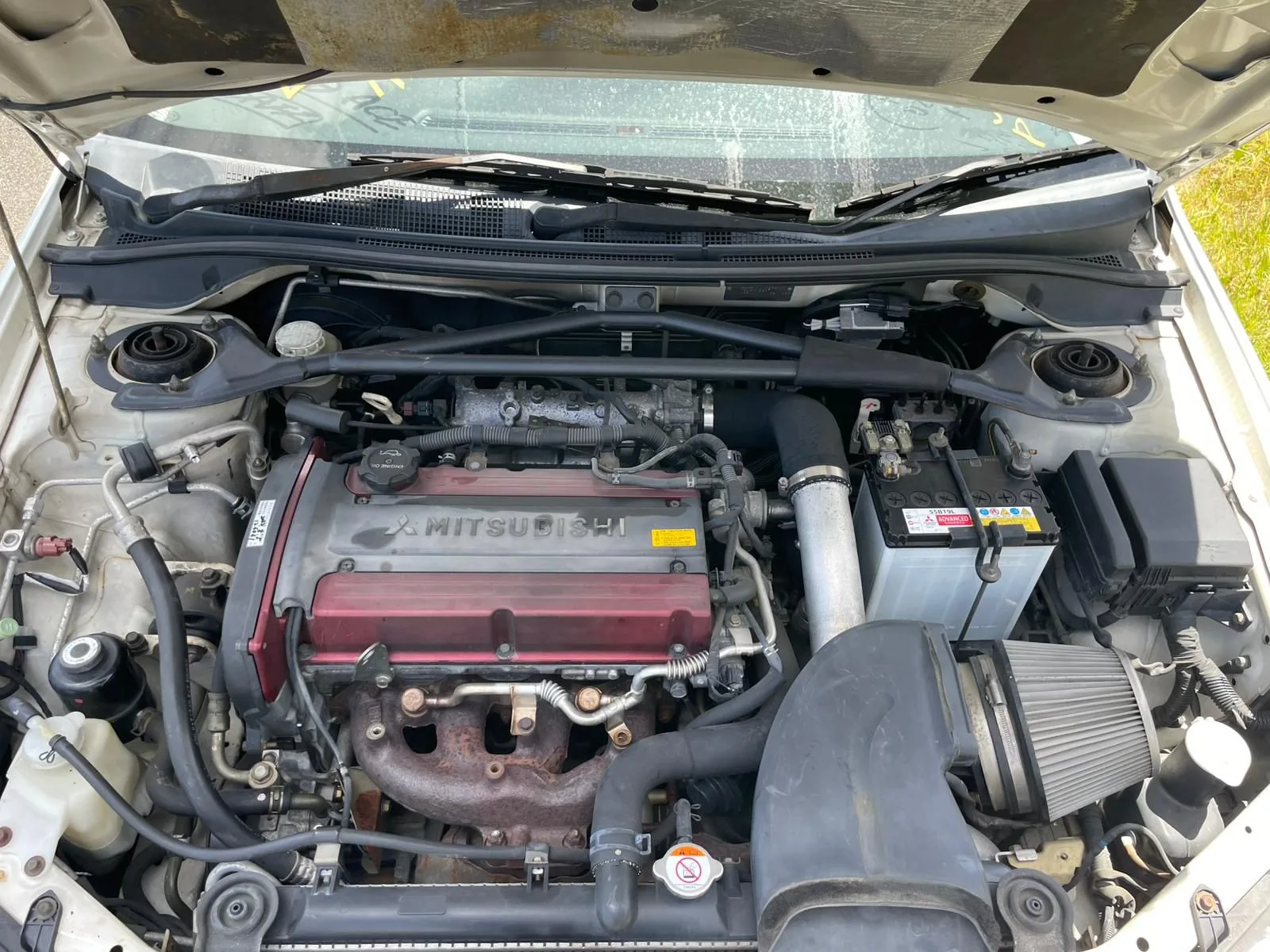
Mitsubishi Evolutions have become a staple for affordable power, paired with their iconic looks, and now occupy their own distinctive hero-car niche — backed up by years of motorsport, racing, gaming, and car-scene presence. At the heart of the CT9A chassis is the legendary 2.0L 4G63 turbocharged engine, with enormous tuning potential and a smart all-wheel-drive layout.
SEVS eligibility
Mitsubishi Evolutions can currently be imported into Australia under SEVS, the Special and Enthusiast Vehicle Scheme, which allows us to bring in specialty cars and variants that were never sold new in Australia. The SEVS registry changes over time, so it’s worth checking what’s currently eligible before sourcing a car from Japan — this can be done directly on the official Rover website: SEV Approvals Register.
Which generation to look for
Evolution VIII GSR and MR models have become especially popular for import, offering competitive pricing and a wide selection to choose from. Later generations like the Evolution X have more limited availability — only the 5-speed RS and GT specs — and the Evolution IX wagon (CT9W) tends to attract a slightly different kind of buyer. Interestingly, the earliest CT9A, the Evolution VII, isn’t as sought-after today as the VIII or IX.
You can see what’s currently available for import on our catalogue:
- Browse our full catalogue
- Mitsubishi Lancer Evolution VIII GSR/MR (CT9A)
- Mitsubishi Lancer Evolution IX GT/GT-A Wagon (CT9W)
While Evolution VIIIs were available new in Australia in 5-speed variants, buyers typically favour the JDM GSR and MR variants with the factory 6-speed manual transmission.
What to look for in condition
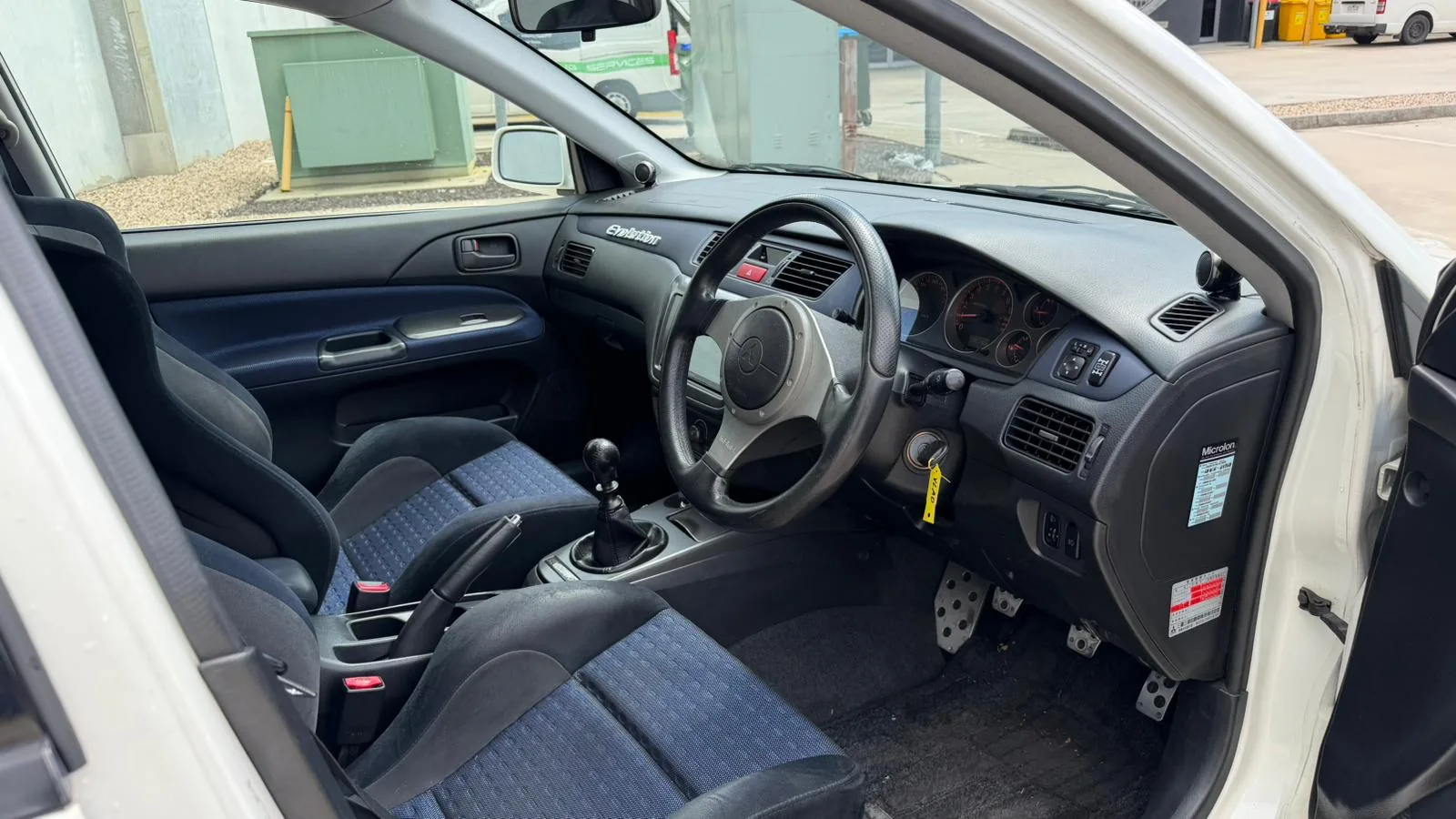
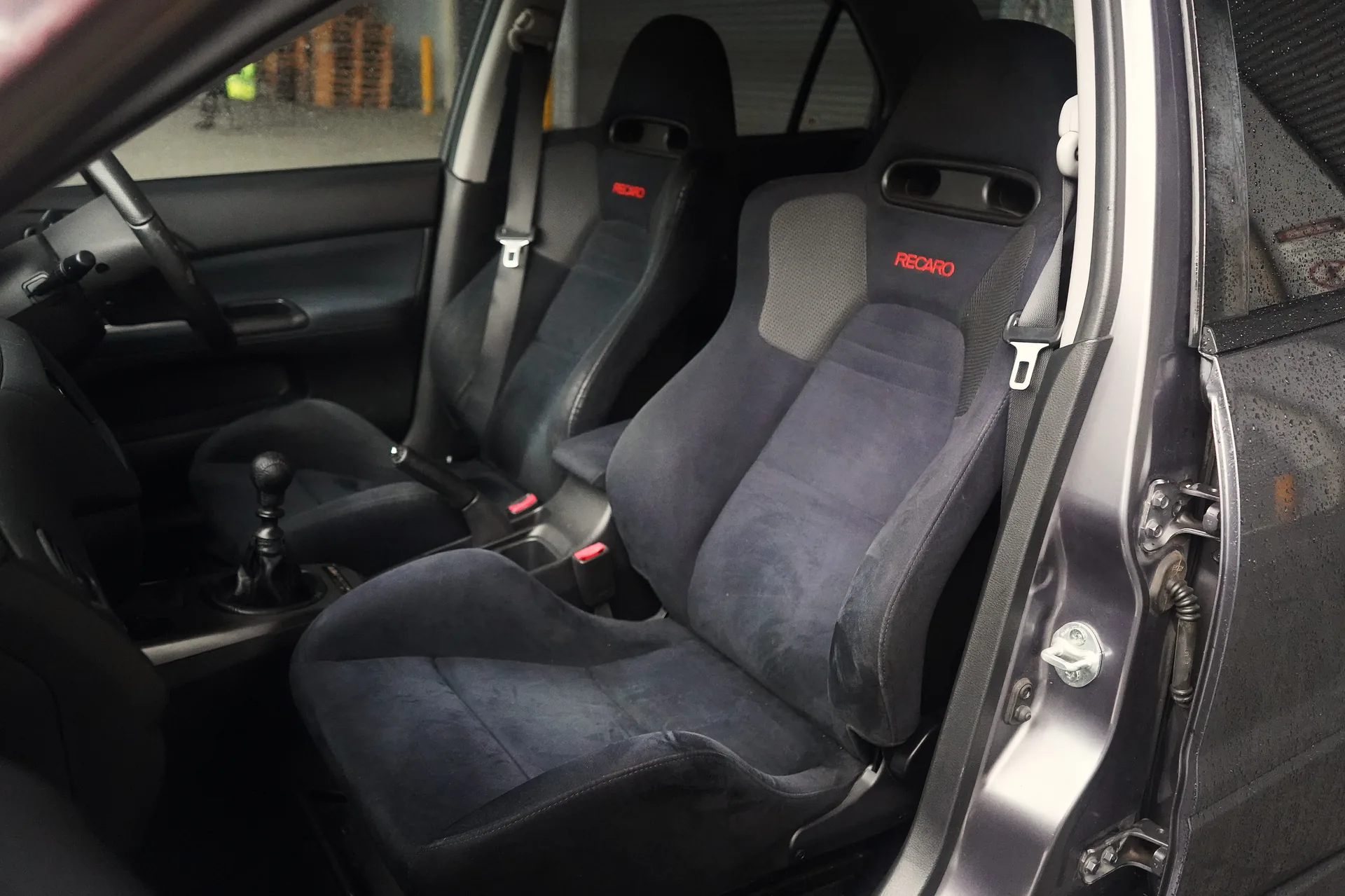
When it comes to selecting a good-condition Evolution VIII GSR, the main consideration is sourcing a car with minimal modifications, for ease of the import process, compliance, and later registration in Australia. The Japanese market offers a full range of conditions, including some heavily modified examples, but it’s worth avoiding cars with extensive engine modifications, race seats, roll cages, and aftermarket steering wheels. Heavily modified cars are often associated with harder past use, and become a greater risk for buyers.
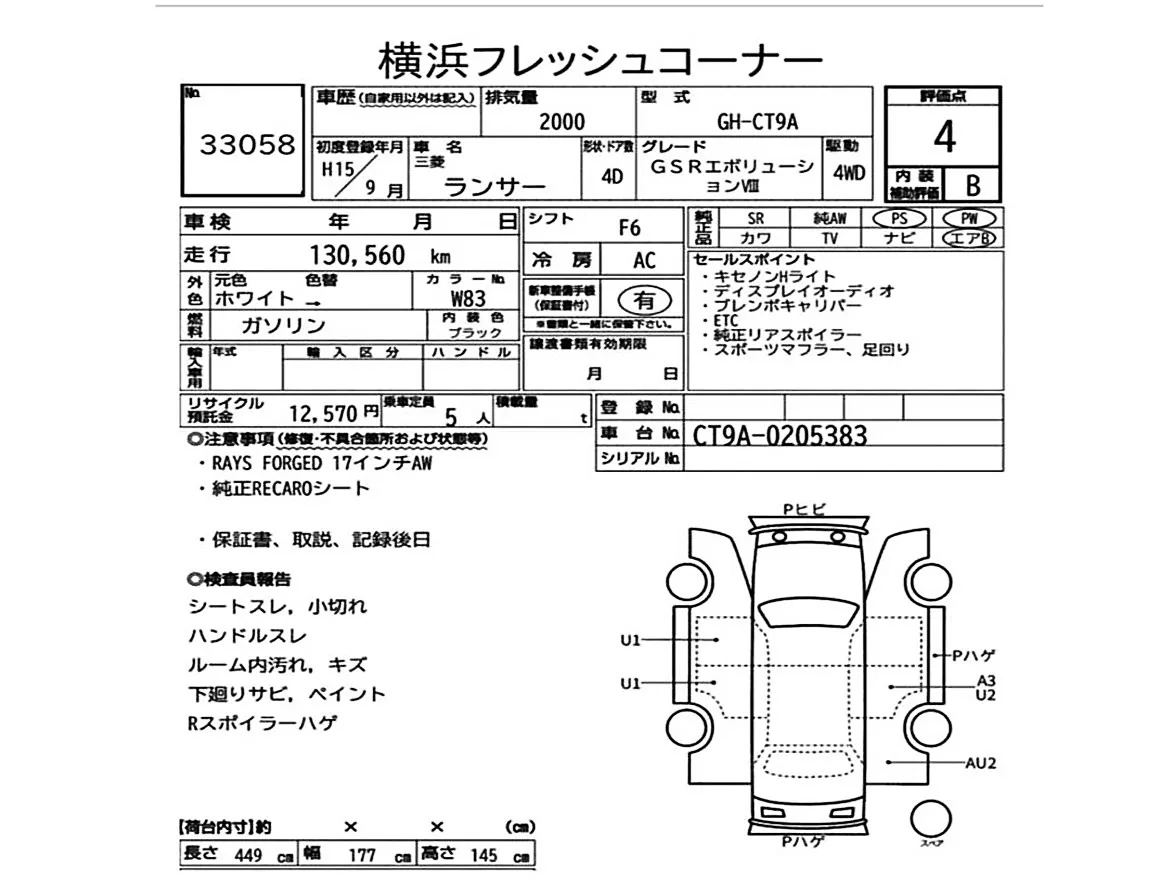
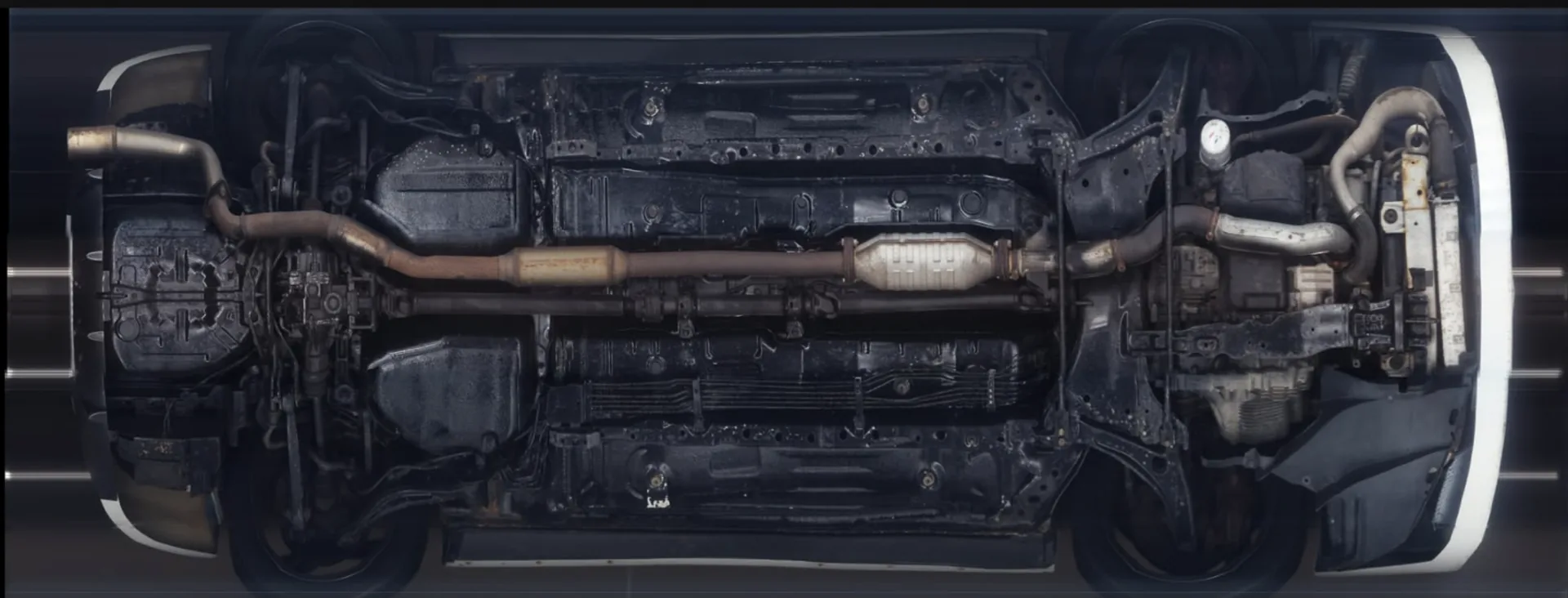
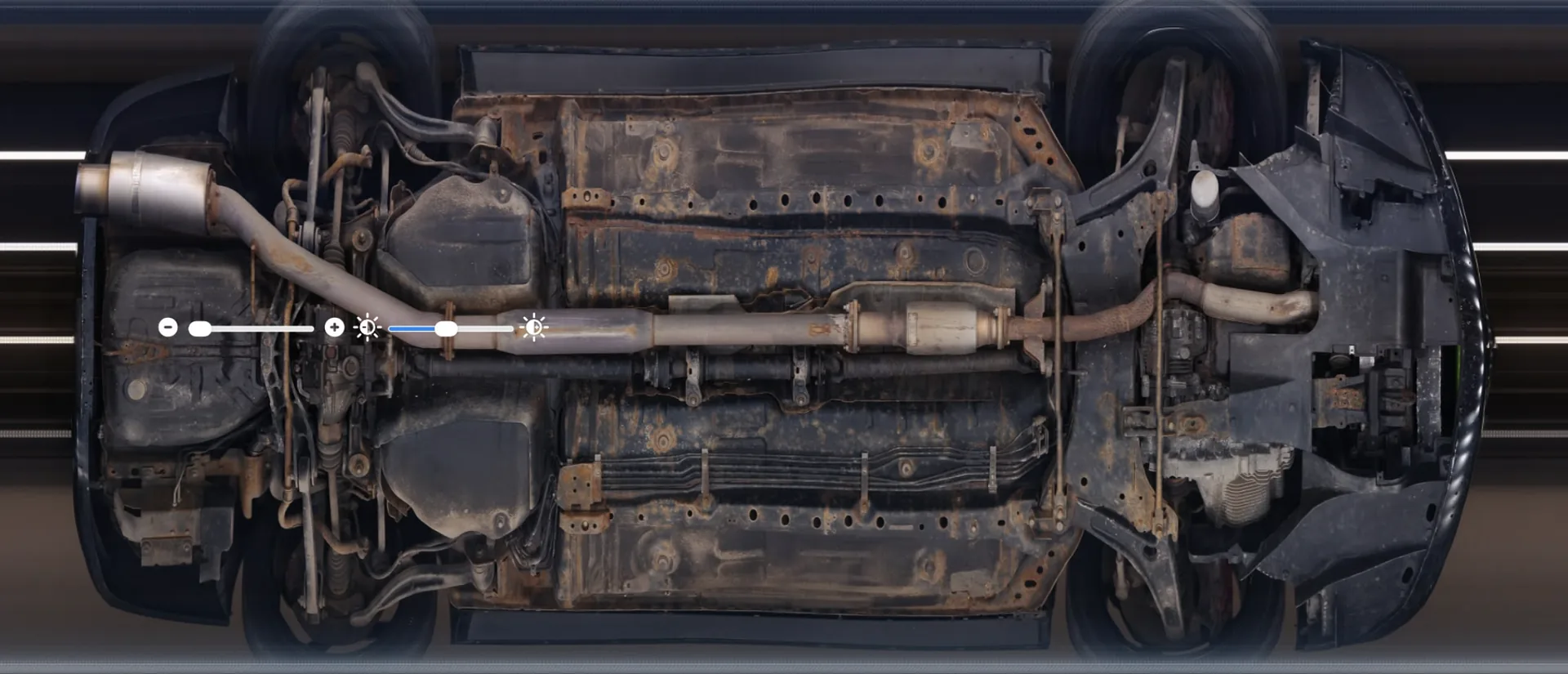
Another important consideration is rust and rust-preventative treatment on the underbody. Modern Japanese auctions typically include underbody scans and a detailed auction sheet, giving a good look at the condition of the car before it’s sourced — and it pays to look closely. A clean scan shows factory undercoating still intact with no active corrosion, while a car that’s spent time somewhere humid or salted can show surface rust across the floor pans and subframe, sometimes with a cheap respray over the top to mask it rather than proper rust treatment underneath. That difference is usually easy to spot once you know what you’re looking at, and it’s one of the first things we check before recommending a car.
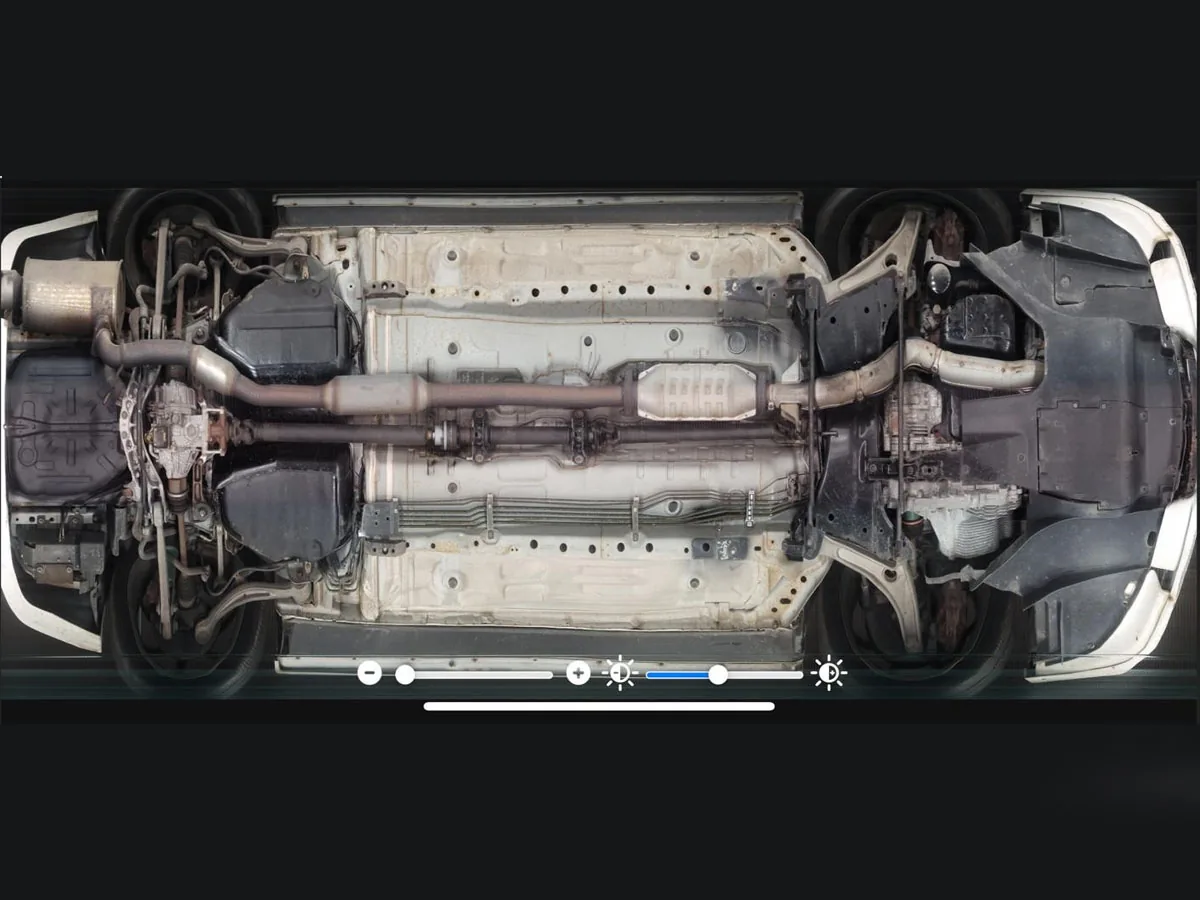
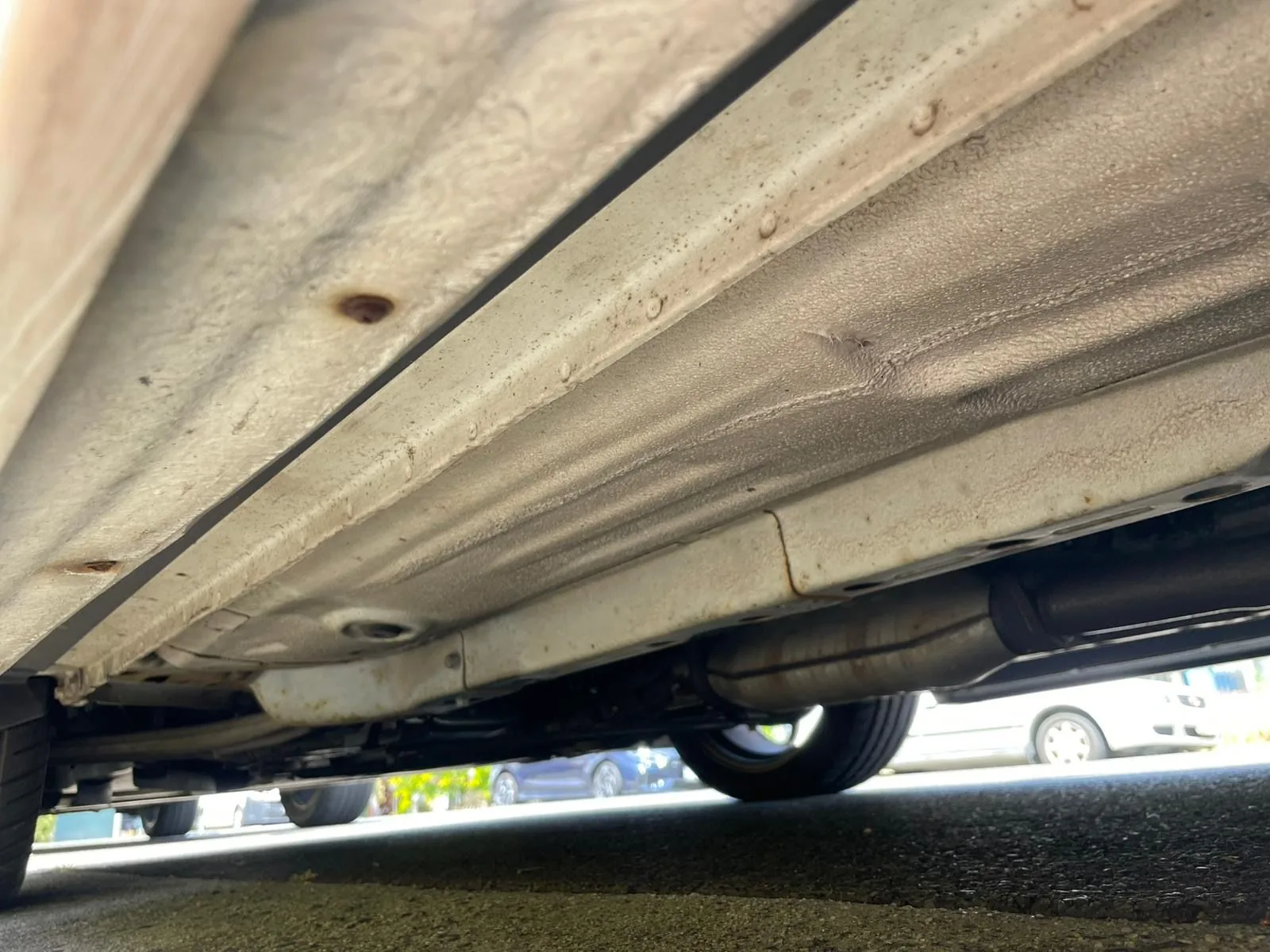
Here’s that difference side by side — a clean scan with the factory undercoating still intact, next to one showing the kind of surface rust and corrosion across the frame rails we’d flag as a concern:
Kilometres and service history
With the large selection offered at Japanese auctions, it’s not uncommon to see a full range of kilometres, including some extremely low-km examples — under 60,000km — which typically fetch collector-grade pricing.
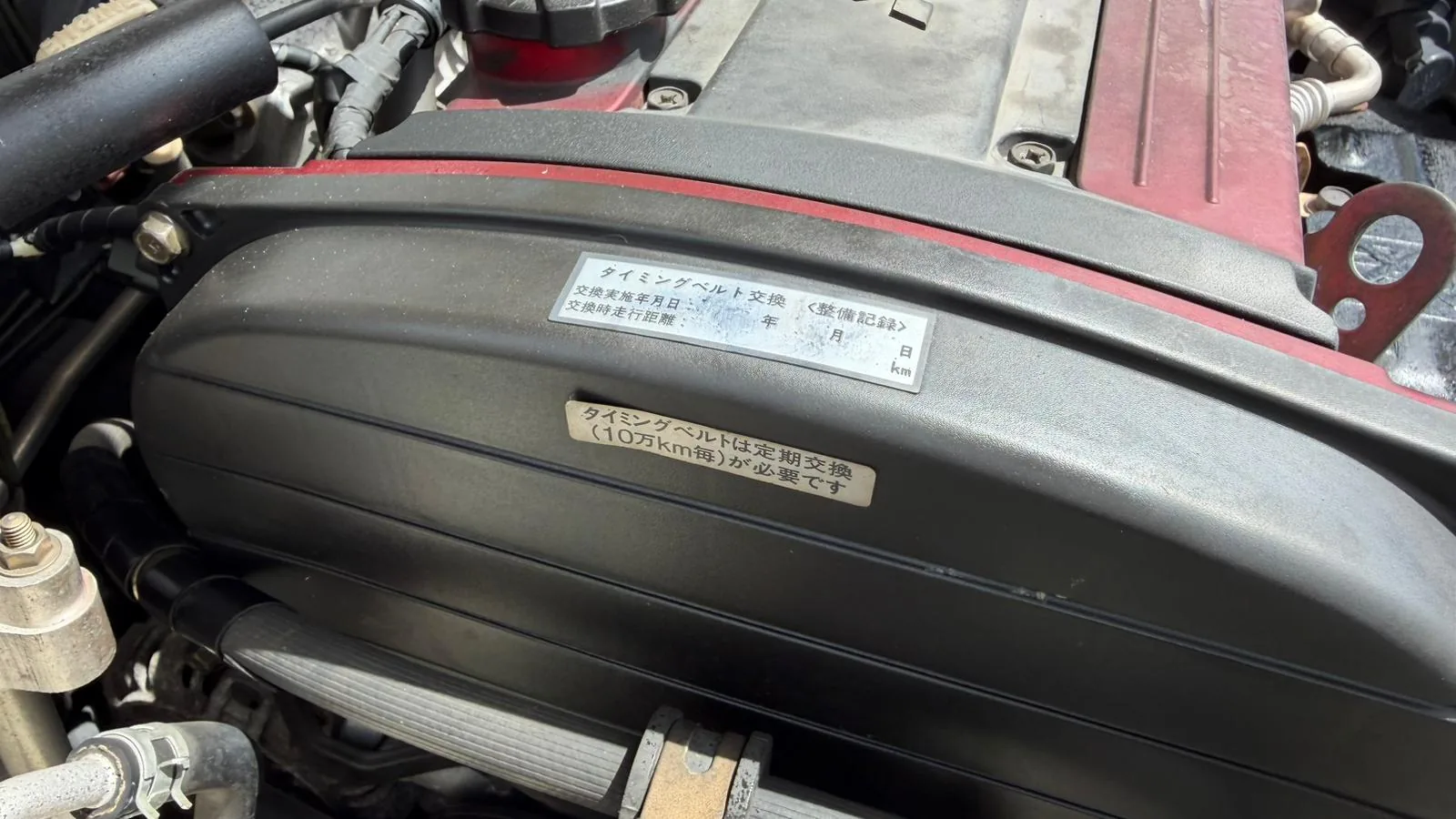
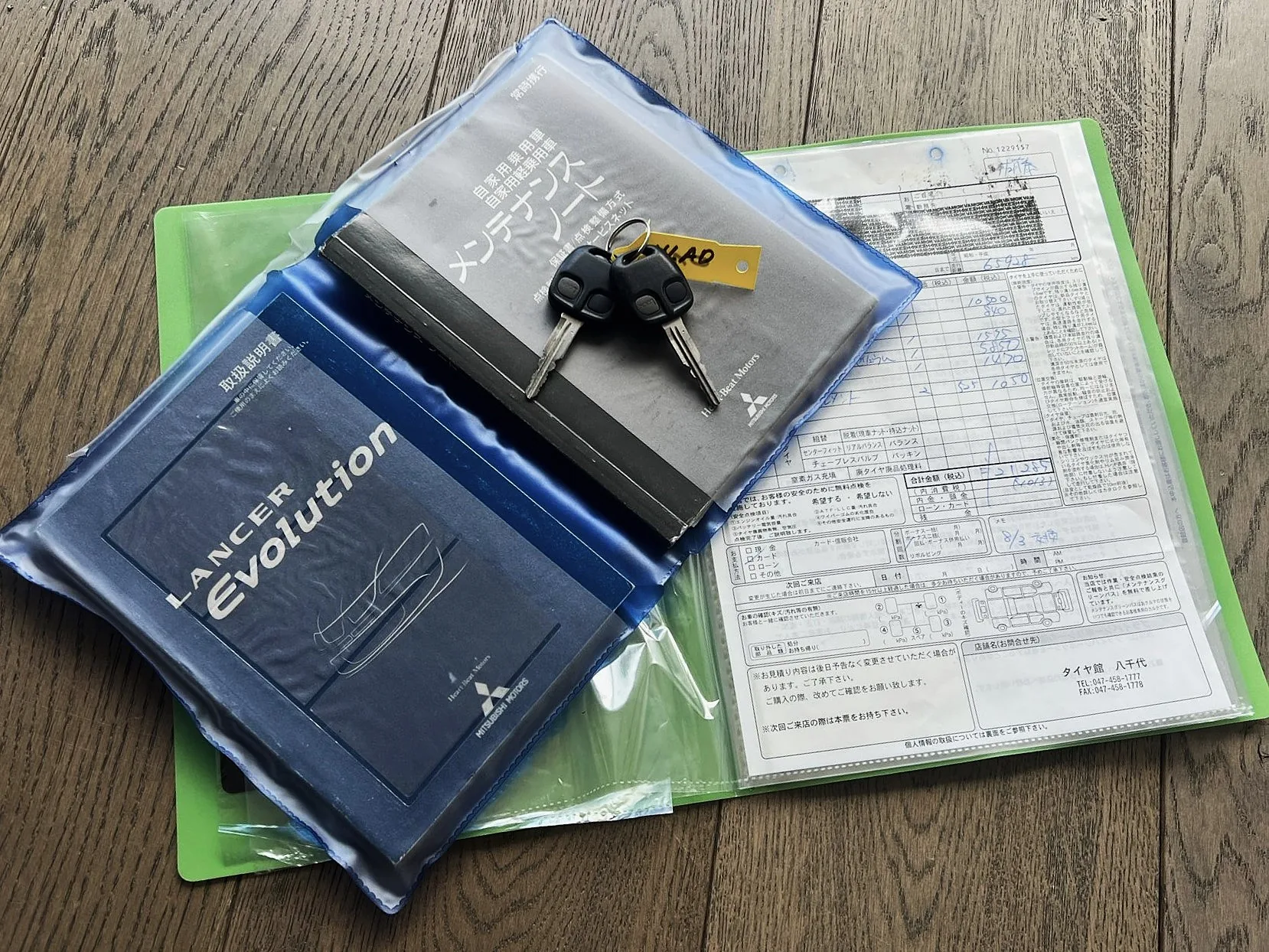
The sweet spot we’ve found over the years sits between roughly 5,000 and 10,000km per year, putting most good examples somewhere between 110,000 and 180,000km. This range offers a good balance: enough regular use to prevent a car from sitting unused, limited overall wear, and a car that’s already been through the steepest part of its depreciation curve. Cars in this range often come with major service records on file, which can otherwise be a costly unknown when choosing the right car.
To give a sense of where the market currently sits, a recent run of Evolution VIII GSR results at Japanese auction sold anywhere from around ¥1.9 million up to ¥3.2 million, on cars ranging from roughly 62,000km up to 188,000km. It’s also worth knowing that a genuinely good example doesn’t always sell the first time it comes up — the same car can reappear at auction over several weeks if bidding doesn’t clear the seller’s reserve, even with solid bids already on the table. Knowing when a bid is worth pushing on, and when to wait for the next one, is as much a part of the process as knowing what to look for in the car itself.
Getting started
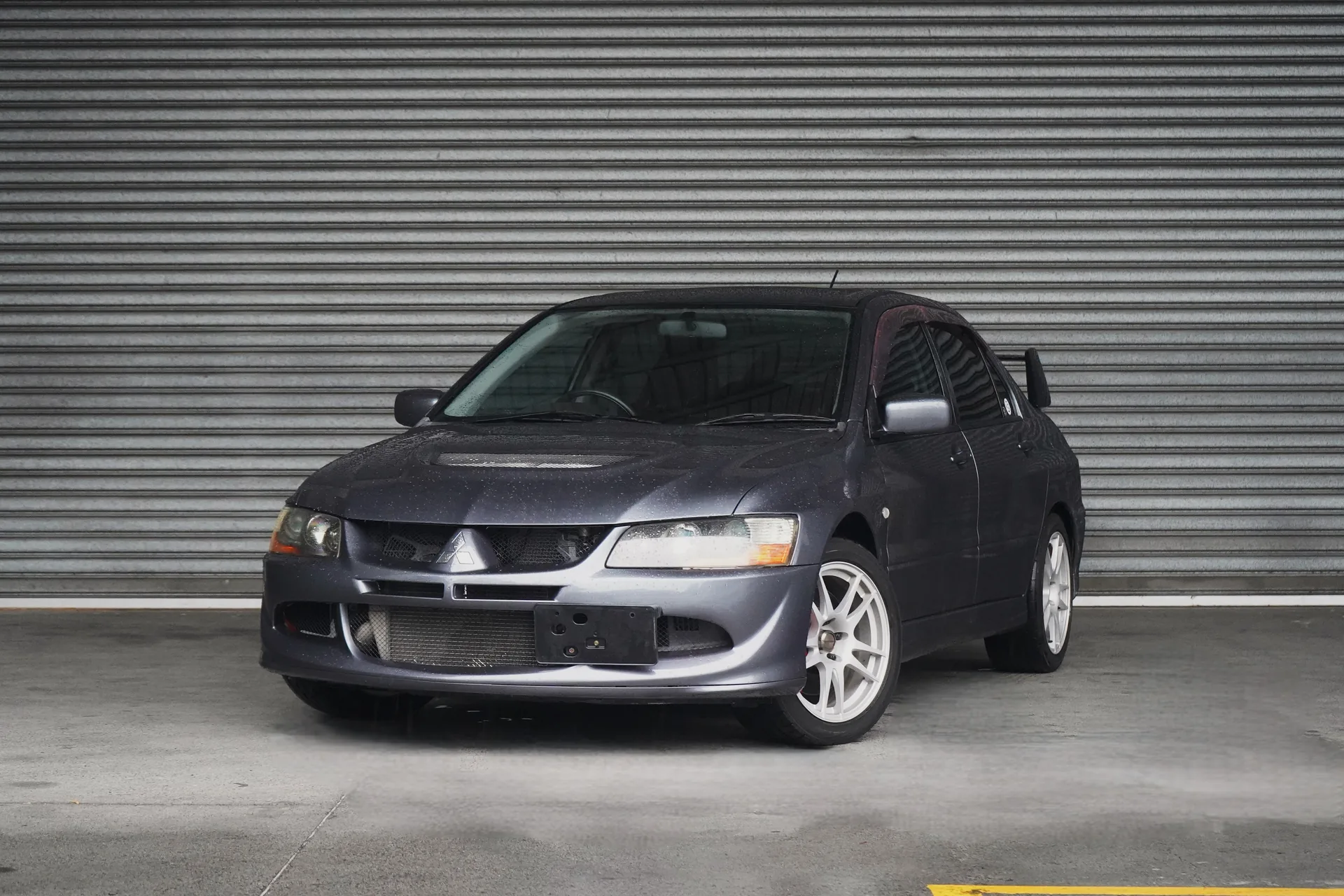
If you’re in the market for a Mitsubishi Evolution, Japan still remains a great place to source a good example, and we can organise the full process from start to finish.
Find us on socials

Our contacts