How Long It Actually Takes to Import a Car from Japan
One of the first questions we hear is how long it takes to import a car from Japan, and when the car will be in your driveway. On average, the whole process takes about 2 to 3 months once we have found and bought your car. How long the search takes before that depends on the car you are after.
There are a lot of steps in between: buying the car, preparing it for export, shipping, customs, biosecurity, delivery, compliance and registration. Some clients also ask for extra work in Japan, such as sourcing rare parts or having the car serviced or repaired before it ships, and that adds to the overall time.
Below we go through each stage and how long it usually takes. Our guide to what it costs to import a car from Japan follows the same stages, so you can see what each one costs alongside how long it takes.
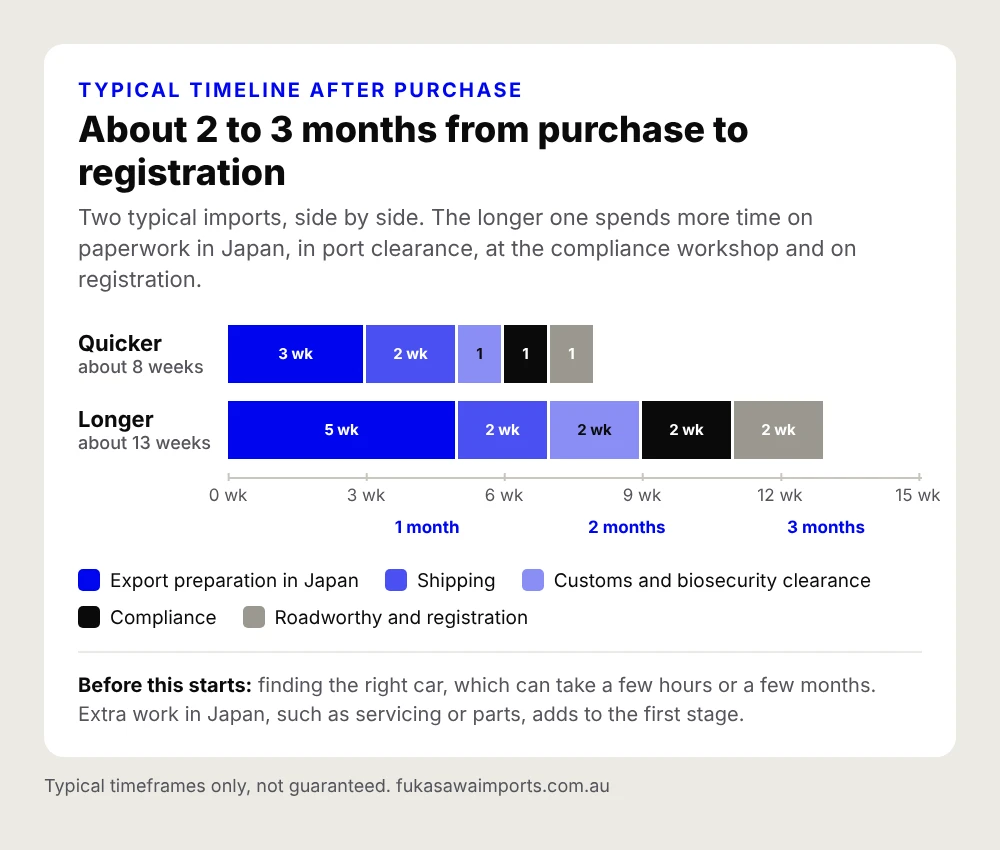
The timeline at a glance
| Stage | What happens | Typical time |
|---|---|---|
| 1. Sign-up and search | Access to Japanese auction and dealer listings, and our team looking for the right car | A few hours to a few months |
| 2. Export preparation in Japan | Purchase, inland delivery, deregistration, export certificate, import approval, biosecurity cleaning and booking the ship | Usually 3 to 6 weeks |
| 3. Shipping and clearances | Sea freight to Australia, then customs and biosecurity at the port | Around 2 weeks at sea, then a few days to a few weeks at the port |
| 4. Compliance | The car is brought up to Australian road standards and certified | Usually 1 to 3 weeks |
| 5. On the road | Roadworthy or blue slip, then registration in your state | Usually 1 to 2 weeks, depending on your state |
Stage 1: Sign-up and finding the right car
Typical time: anywhere from a few hours to a few months.
Every import with us starts with the $250 car search. It gives you access to our portal, with the newest listings at Japanese auctions and dealers and past sales data for the model you are after. We also watch the market for you: every day from Monday to Saturday, for six months, we send you the latest matching cars for up to two chassis codes on WhatsApp. Every listing is shortlisted by hand, and when a car catches your eye we translate the auction sheet and go through the condition report and photos with you.
How long this stage takes depends on one thing: how quickly the exact car you want comes up at the right price. A popular model in a common colour can turn up the same day. Rare specs take longer. Limited-edition colours on the Silvia S15, special-edition R32 GT-Rs and V-Spec R33 and R34 GT-Rs can take a long time to appear.
Not sure which car yet? Our import catalogue lists popular models people import from Japan into Australia, with photos, specifications and whether each one comes in under SEVS or the 25-year rule.
The search is designed to show you the whole market, so it is a good place to start even before you are ready to buy. Sometimes patience works in your favour. Watching what comes up for a few weeks shows you what a good example looks like and what it sells for, and that makes it easier to choose well when the right car appears.
Stage 2: Preparing the car for export in Japan
Typical time: usually 3 to 6 weeks.
Once we buy the car, most of the work happens in Japan. This stage covers organising the purchase, delivering the car from where it was sold, deregistration and the export certificate, the import approval, biosecurity cleaning and heat treatment, and reserving a slot on a ship.
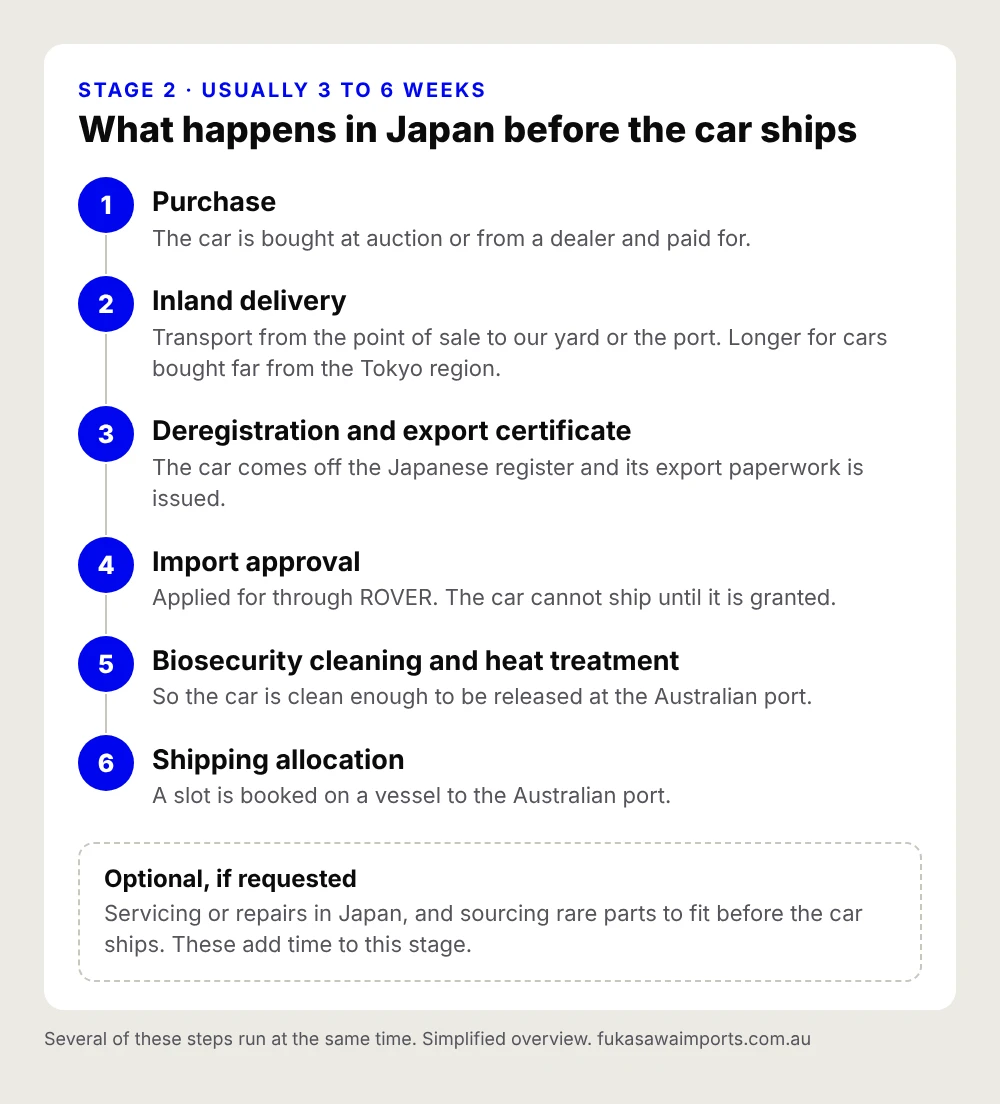
The import approval is a big part of why this stage takes weeks rather than days. The car is not allowed to be shipped to Australia until the approval is granted, and the Australian Border Force says a complete application is generally assessed within 30 working days. We apply as early as we can, and the other steps in Japan run alongside it.
Servicing, repairs and rare parts
This is also the stage where we can arrange servicing or repairs in Japan, or source rare parts and have them fitted before the car ships. It is a good way to save on shipping parts separately, and our clients often ask for it. It does mean extra time, because the work has to be booked, parts have to arrive and everything has to be done before the shipping date.
Where the car is in Japan matters
A big factor in this stage is where the car is. We buy from auctions and dealers all over Japan, from Hokkaido down to Kyushu, and our yard is in the Tokyo region. A car bought in Fukuoka, for example, has a long way to travel by road before it is ready to ship. That takes extra time, and it adds inland transport charges, which we explain in our cost guide. Sometimes we can ship a car directly from the port closest to where it was bought instead, so the best route is worked out for each car individually.
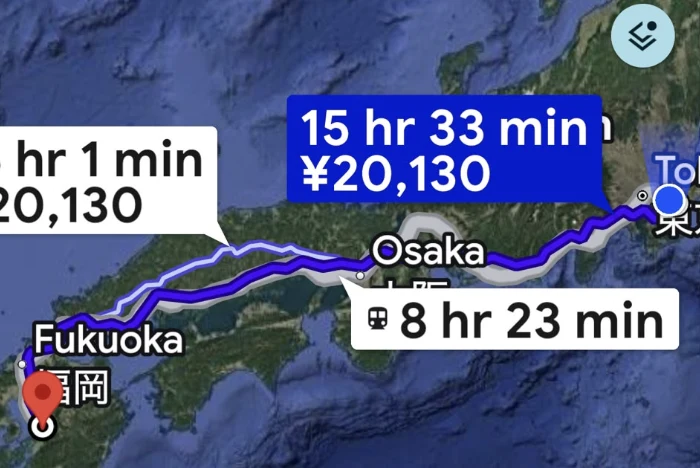
Most of these steps we can organise promptly. Some depend on third parties, though, such as shipping companies, and we have to wait for space on a vessel. That can add time we do not control.
Stage 3: Shipping and clearances
Typical time: around 2 weeks at sea, then a few days to a few weeks at the port.
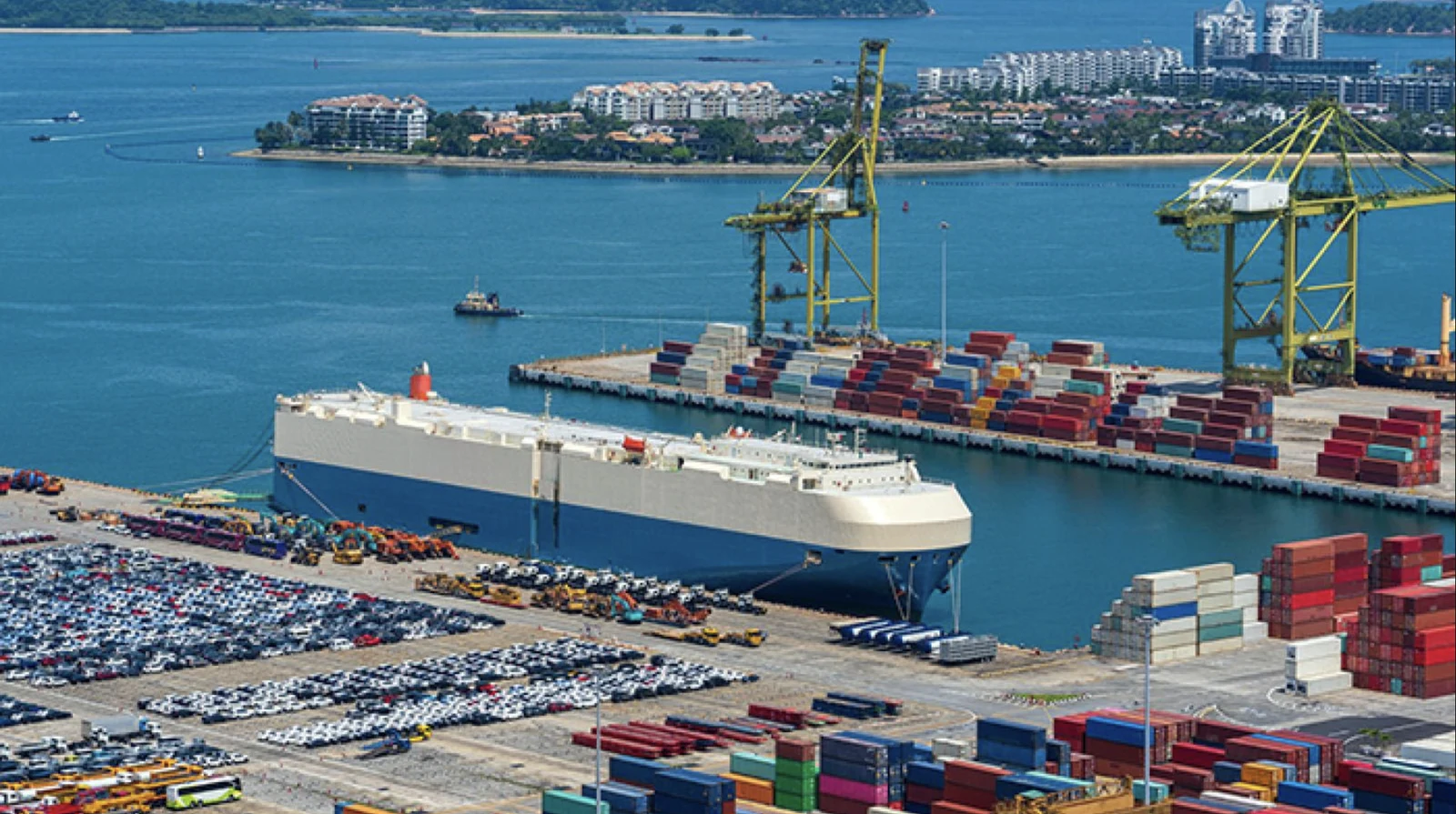
Once the car is on the ship, it usually takes around two weeks to reach Australia, and some sailings take longer depending on the vessel’s route and stops. We book space with specialist vehicle shippers such as Nautica Shipping, and the weather, the vessel’s route and how busy the destination port is can all change the sailing time.
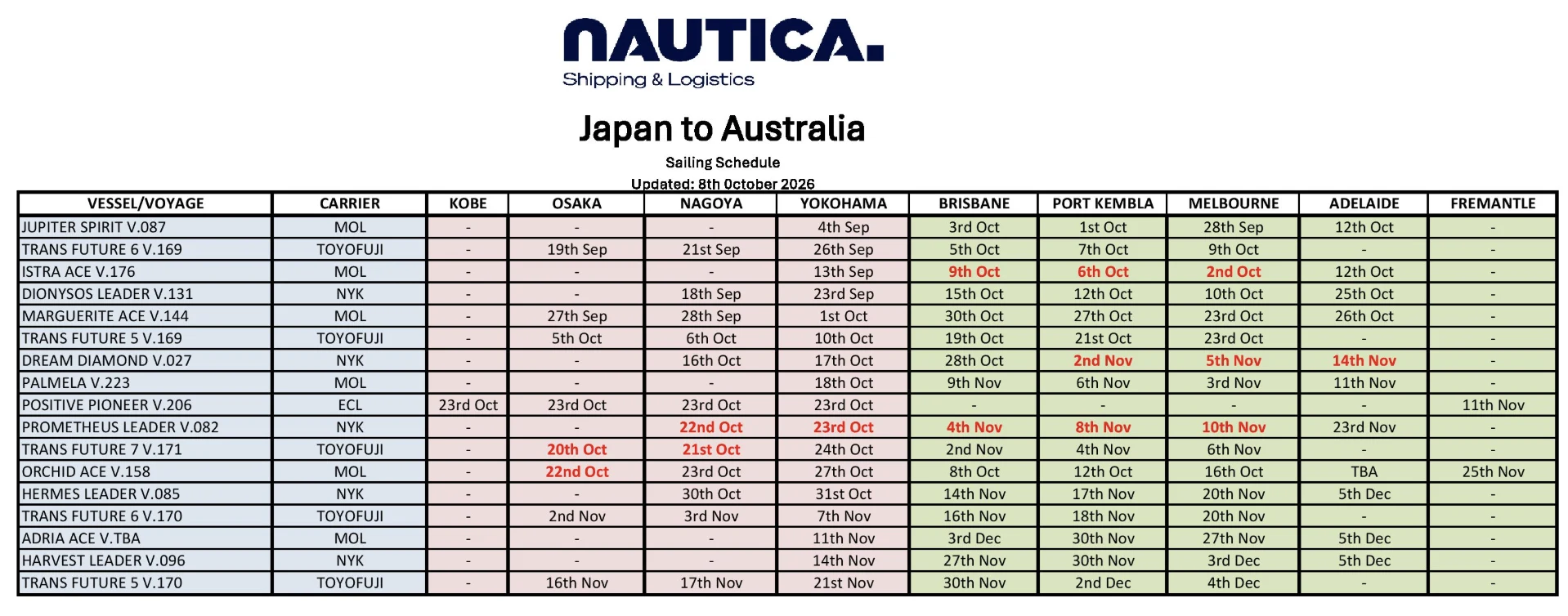
Ships to Australia leave Japan several times a month. Once the car is ready and the import approval is granted, we book it on the next suitable sailing for the port closest to you.
We usually lodge the customs paperwork while the car is at sea, so it is ready when the ship arrives. Every car then goes through customs and biosecurity checks before it is released, including a biosecurity inspection for cleanliness on arrival. If a car needs further cleaning at the Australian port, that takes extra time. Clearance can take anywhere from a few days to a few weeks before the car is released from the port.
Stink bug season

From 1 September 2026 to 30 April 2027, Australia applies seasonal biosecurity measures for the brown marmorated stink bug (BMSB). For the 2026-27 season, Japan is classed as an emerging risk country, which at this stage means heightened surveillance of vessels only.
Requirements like these change from season to season, and we work with them continuously so that cars arrive promptly, with all the preparation done in good time. With a steady stream of cars moving through the process at once, a knowledgeable import agent can save you from unexpected costs and nasty surprises.
Stage 4: Compliance
Typical time: usually 1 to 3 weeks.
Once the car is released, a tow truck takes it from the port to compliance, where it is brought up to Australian road standards before we hand it over. For a SEVS car, the workshop follows the approved Model Report for that model. A car imported under the 25-year rule has to meet the Australian Design Rules that applied when it was built. Our SEVS guide explains both routes in more detail.
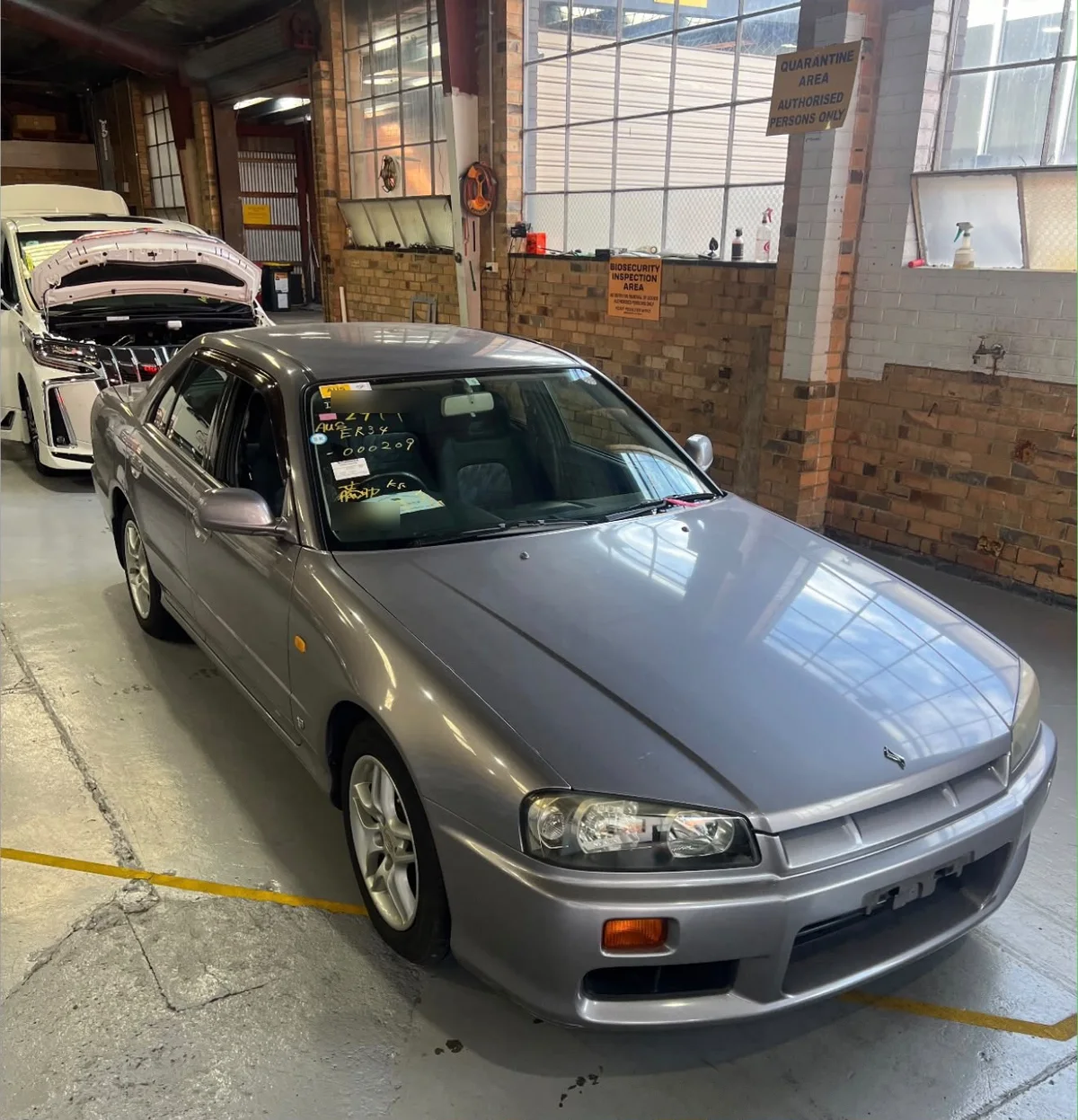
Stage 5: Roadworthy and registration
The last step is getting the car on the road. Depending on your state, that means a roadworthy certificate, or a blue slip in NSW, and then registering the car with your state or territory. It depends on your state, but it is usually done within one to two weeks. In Victoria, for example, VicRoads lists what you need to register an imported vehicle.
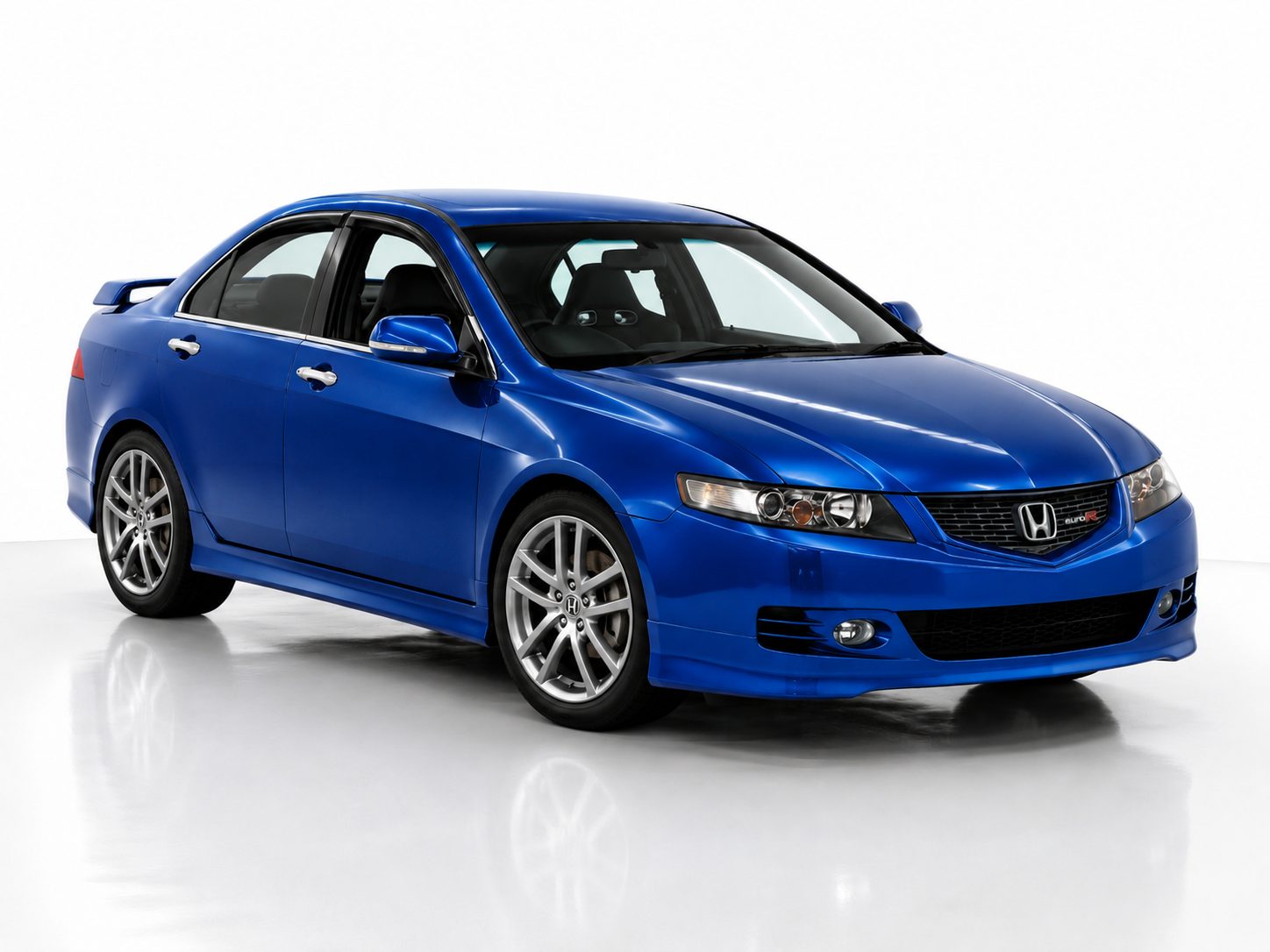
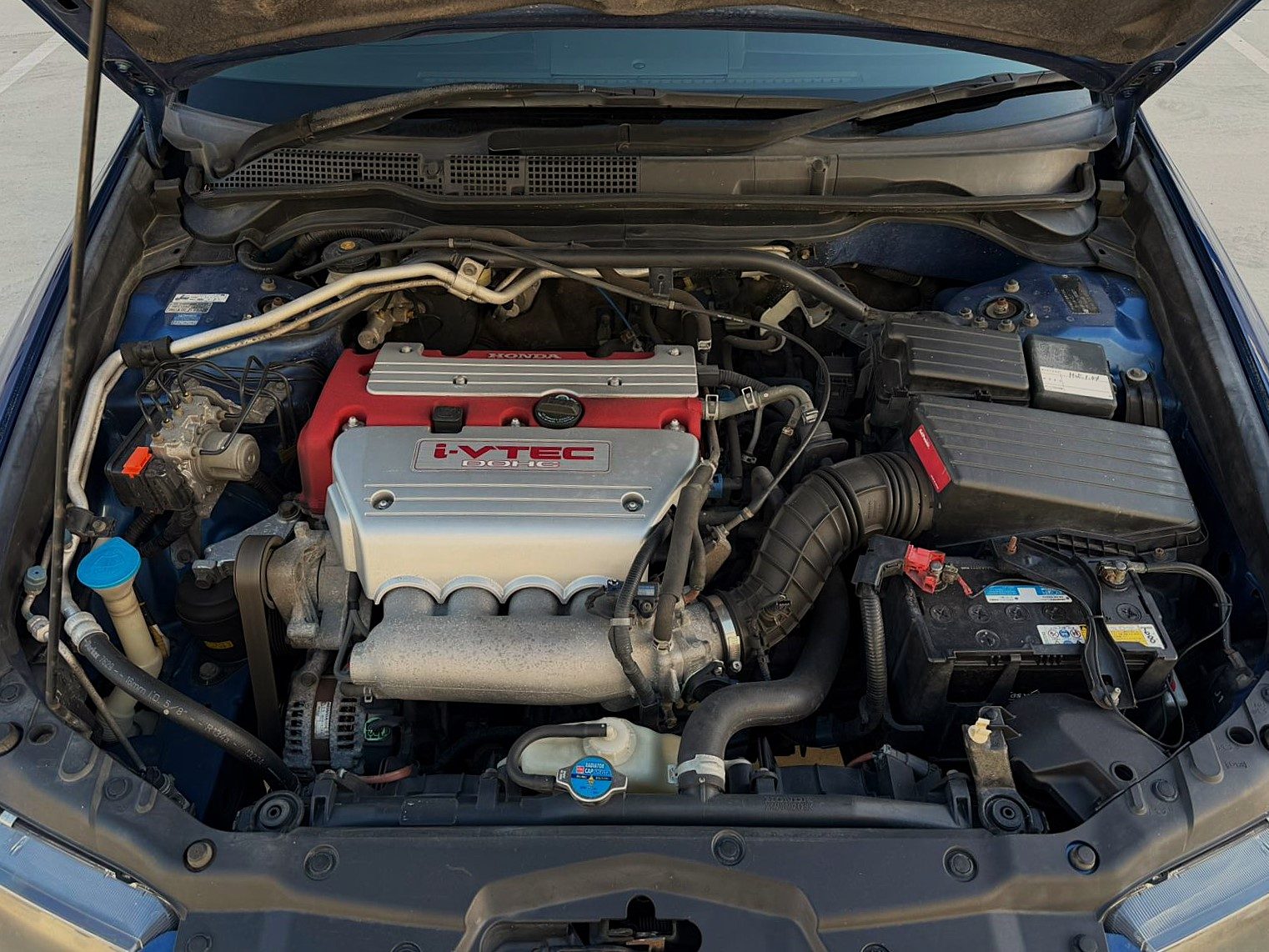
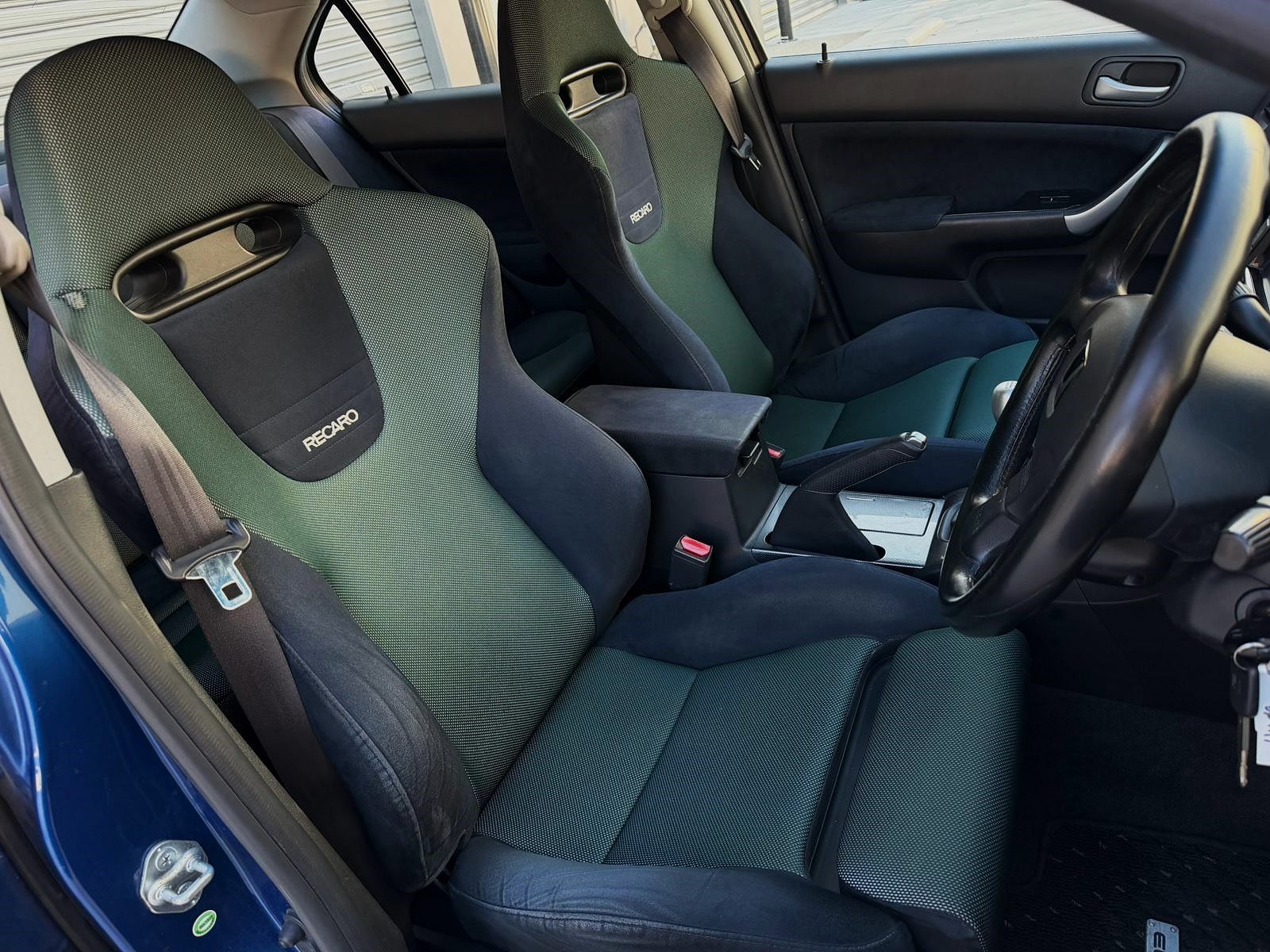
Example: importing a Honda Accord Euro R (CL7)
To put the stages together, here is how the timeline looks for a Honda Accord Euro R (CL7), one of the cars in our catalogue. The CL7 is listed on the SEV register, so it goes through compliance once it lands.
| Stage | Accord Euro R (CL7) | Quicker import | Longer import |
|---|---|---|---|
| Search | Depends on the colour, mileage and condition you are after | Before purchase | Before purchase |
| Export preparation in Japan | Purchase, delivery to our yard, deregistration, import approval, cleaning and booking the ship | Week 3 | Week 5 |
| Shipping | Sea freight to Australia | Week 5 | Week 7 |
| Clearances | Customs and biosecurity at the port | Week 6 | Week 9 |
| Compliance | Compliance to the CL7’s Model Report | Week 7 | Week 11 |
| On the road | Roadworthy and registration in your state | Week 8 | Week 13 |
The weeks show when each stage finishes, counted from the day the car is bought. That puts a typical Accord Euro R on the road around 2 to 3 months after purchase. If you also asked us to service it or fit parts in Japan, or the car was bought far from Tokyo, you would add that time to the Japan stage.
What can make it take longer
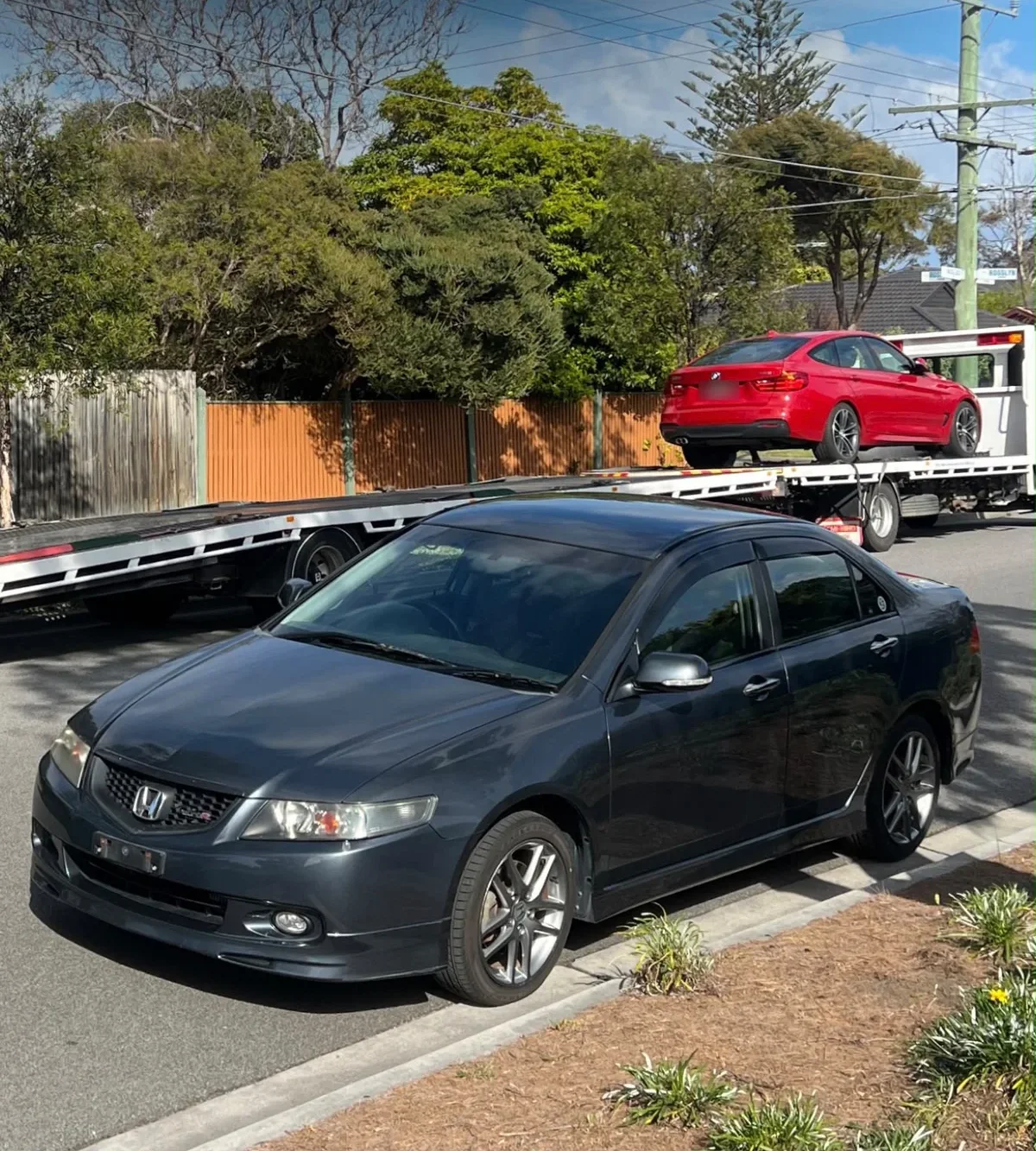
- A rare car. Limited editions and rare colours can take months to come up.
- Extra work in Japan. Servicing, repairs and parts sourcing all add time before shipping.
- Where the car is. Cars bought far from the Tokyo region, such as in Hokkaido or Kyushu, take longer to reach our yard.
- Shipping space. We rely on shipping companies for vessel allocations, and space is not always available straight away.
- Weather and port congestion. Both can delay the ship or the car’s release.
- Extra biosecurity cleaning. A car that needs more cleaning at the Australian port takes longer to be released.
- Extra seasonal requirements. Seasonal biosecurity measures, such as those for stink bug season between September and April, can add checks at the port.
Frequently asked questions
How long does it take to import a car from Japan to Australia?
On average about 2 to 3 months once the car is bought. Finding the right car can add anything from a few hours to a few months before that, depending on how rare it is.
How long does shipping from Japan to Australia take?
Around two weeks at sea, and some sailings take longer depending on the vessel’s route and stops. Customs and biosecurity clearance at the port can then take from a few days to a few weeks.
How long does an import approval take?
The Australian Border Force says a complete application is generally assessed within 30 working days. The car cannot be shipped until the approval is granted, which is why we apply as early as possible.
What can I do to keep my import on schedule?
Decide on the model and your budget early, keep any extra work in Japan to what you really need, and allow extra time if you are buying a rare car or importing during stink bug season, between September and April.
Getting started
Our import process page covers each step from start to finish. If you have a model in mind, the $250 car search is the place to start, and our guide to what it costs to import a car from Japan shows what each stage costs. If you would rather talk it through first, call us on +61 404 312 508.
Disclaimer: the timeframes in this article are typical estimates based on our experience and are not guaranteed. Every import is different, and timing depends on the car, its location in Japan, third-party providers such as shipping companies and workshops, government processing times, weather and port conditions. Fukasawa Car Imports does not warrant that any vehicle will be imported, complied or registered within a particular timeframe. Nothing in this article excludes any right that cannot lawfully be excluded under the Australian Consumer Law.
Find us on socials
Our contacts